
Headaches and jaw pain are often linked to TMJ dysfunction. Learn how physiotherapy can help, combining joint mobilisation, manual therapy, and tailored exercises.
Persistent headaches and jaw pain are often treated as separate problems, managed with painkillers, mouthguards, or trips to the dentist. But in many cases, both symptoms share a single underlying cause: TMJ dysfunction. Luckily, it's a condition that our Newcastle physiotherapy is well placed to diagnose and treat.
What Is TMJ Dysfunction?
The temporomandibular joint connects your lower jaw to your skull and is one of the most frequently used joints in the body. When the joint itself, the surrounding muscles, or both are not functioning correctly, the result can be jaw pain, clicking or locking, facial tension, and headaches that can be difficult to trace back to their source.
Symptoms often develop gradually and are frequently misattributed to stress, dental problems, or tension headaches. While stress can certainly be a contributing factor, particularly where teeth clenching or grinding has become habitual, the causes of TMJ dysfunction are often more complex.
The Neck Connection
One of the most overlooked aspects of TMJ dysfunction is its relationship with the neck. Stiffness in the upper cervical spine and forward head posture have a well-established influence on jaw function, and many people with TMJ symptoms also experience neck pain or recurring headaches originating from the base of the skull. Treating the jaw in isolation, without addressing the neck, frequently produces limited or short-lived results.
This is why our physiotherapists assess and treat both areas together where relevant, looking at the full picture rather than focusing on symptoms alone.
How We Treat TMJ Dysfunction
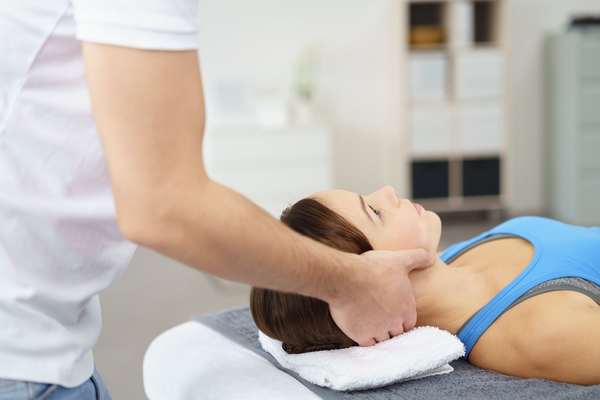
At Gosforth Physio & Wellness, treatment begins with a thorough assessment to identify the root cause of your symptoms, with hands-on treatment starting in the very first session. Our approach combines joint mobilisation, manual therapy, soft tissue release and tailored exercises to reduce pain, ease muscle tension, and restore normal jaw movement.
Our goal, as with every condition we treat, is to get you better in as few sessions as possible and give you the tools to self-manage and prevent symptoms from returning.
If headaches or jaw pain are affecting your daily life, contact our team today to book your assessment.